

Effective Strategies for Sports Injury Recovery Tips

Injuries can be a frustrating part of any active lifestyle. Whether you’re a weekend warrior or a competitive athlete, recovering from a sports injury requires patience, the right approach, and a clear plan. I’ve learned that effective recovery is not just about resting but about smart, targeted strategies that help you heal faster and come back stronger. Let’s dive into some practical sports injury recovery tips that can make a real difference in your healing journey!
Understanding the Basics of Sports Injury Recovery Tips
The first step in any recovery process is understanding what your injury entails. Sports injuries can range from minor sprains and strains to more serious issues like fractures or ligament tears. Knowing the type and severity of your injury helps you choose the right recovery path.
Key points to remember:
Rest is crucial but don’t stay inactive for too long. Prolonged immobility can weaken muscles and joints.
Ice and compression help reduce swelling and pain in the initial 48-72 hours.
Elevation of the injured area can also minimize swelling.
Pain management should be done carefully, using over-the-counter medications as needed and recommended by your healthcare provider.
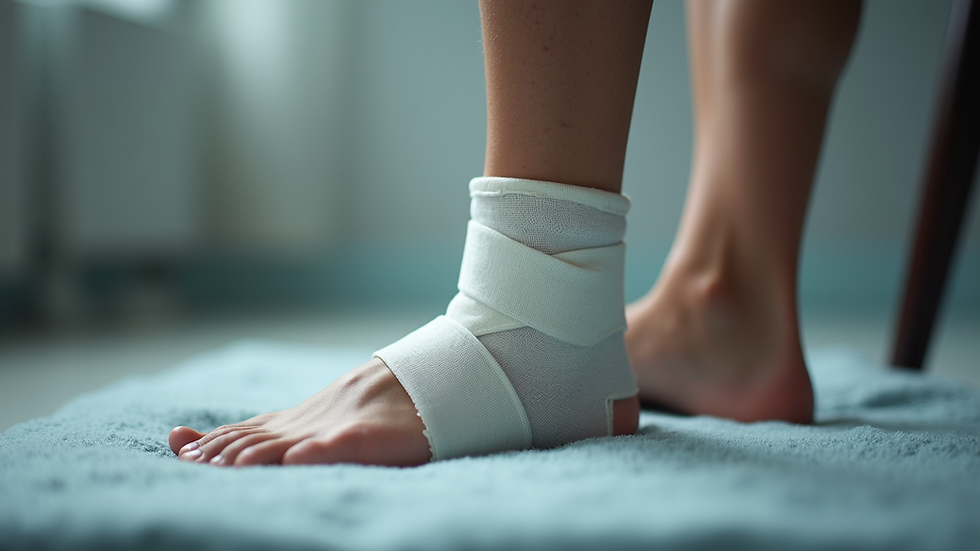
For example, if you sprain your ankle, applying ice and compression immediately can prevent excessive swelling. But after a couple of days, gentle movement and stretching become important to avoid stiffness.
The Role of PhysioTherapy and Rehabilitation
Once the initial pain and swelling subside, physiotherapy becomes a cornerstone of recovery. A tailored rehab program helps restore strength, flexibility, and range of motion. It also reduces the risk of re-injury.
Here’s what a typical rehab plan might include:
Range of motion exercises - to prevent stiffness.
Strength training - to rebuild muscle around the injured area.
Balance and coordination drills - especially important for joint injuries.
Functional training - mimicking the movements you’ll need in your sport.
Working with a professional therapist ensures you’re doing the right exercises at the right time. They can also use techniques like massage, ultrasound, or electrical stimulation to speed healing.

Nutrition and Hydration: Fueling Your Recovery
You might not realize it, but what you eat and drink plays a huge role in how quickly you recover. Your body needs the right nutrients to repair tissues and reduce inflammation.
Focus on these nutrition tips:
Protein is essential for muscle repair. Include lean meats, fish, eggs, or plant-based proteins like beans and lentils.
Omega-3 fatty acids found in fish and flaxseeds help reduce inflammation.
Vitamins C and E support tissue healing and immune function.
Stay hydrated to keep your joints lubricated and help flush out toxins.
Avoid excessive sugar and processed foods, as they can increase inflammation and slow healing. Planning balanced meals with plenty of fruits, vegetables, and whole grains will give your body the fuel it needs.
Mental Health and Motivation During Recovery
Injury recovery isn’t just physical - it’s mental too. It’s easy to feel frustrated or discouraged when you can’t perform at your usual level. Staying positive and motivated is key to a successful comeback.
Here are some ways to keep your spirits up:
Set small, achievable goals for each stage of recovery.
Celebrate progress, no matter how minor it seems.
Stay connected with your sports community or teammates.
Practice mindfulness or meditation to manage stress and anxiety.
Remember, recovery is a process. Patience and a positive mindset can make a huge difference in how you heal and return to your sport.
Preventing Future Injuries: What You Can Do Now
Once you’re back in action, the last thing you want is to get injured again. Prevention is just as important as recovery. Here are some tips to keep you safe:
Warm up properly before every workout or game.
Incorporate strength and flexibility training into your routine.
Use proper technique and equipment.
Listen to your body and don’t push through pain.
Schedule regular check-ins with a healthcare professional or therapist.
By making these habits part of your routine, you’ll reduce your risk of injury and improve your overall performance.
Recovering from a sports injury can feel overwhelming, but with the right strategies, you can get back to doing what you love. Remember to rest smart, follow a guided rehab plan, fuel your body well, and keep your mind strong.
Stay active, stay safe, and keep pushing forward!


Comments